

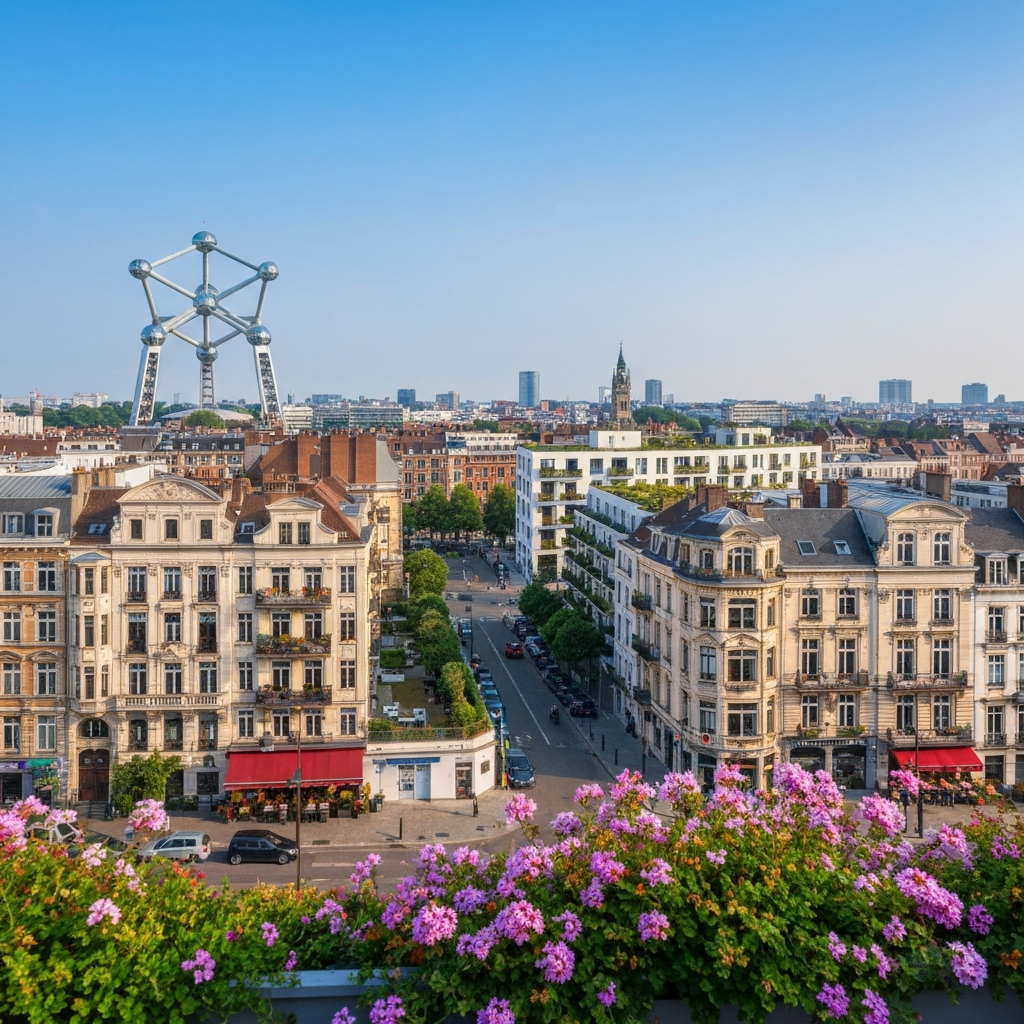
Brussels’ real estate market is experiencing notable shifts, with varying trends across different property types and regions. Understanding these dynamics is essential for prospective buyers, renters, and investors.
Current Market Trends
In recent years, the Brussels property market has shown moderate growth. For instance, in 2025, the average price of an apartment in Brussels rose by just 0.8%, marking the third consecutive year of minimal growth. This trend contrasts with other regions in Belgium, where property prices have surged more significantly.
Despite this sluggish growth in apartment prices, the overall real estate market in Brussels remains dynamic. The median price for houses in Brussels stands at €554,495, while apartments reach a median value of €366,492. The price per square meter is €3,961, reflecting the city’s status as a European capital.
Development Projects
To address housing demands and urban development, several projects are underway. The City of Brussels has initiated the 2019-2024 Housing Plan, aiming to develop 750 new homes across 14 projects. These developments include not only housing units but also amenities such as shops, schools, and community spaces, enhancing the livability of the city.
Another significant project is the Universalis Park 2 in Ixelles, which focuses on delivering high-quality social housing. This initiative underscores the commitment to providing sustainable and affordable living options within the city.
Affordable Housing Initiatives
Addressing the need for affordable housing, the Community Land Trust Brussels (CLTB) offers an innovative model. By allowing residents to purchase homes without buying the land, CLTB reduces costs by approximately 40% compared to the private market. This approach ensures long-term affordability and community involvement in housing projects.
Additionally, organizations like Vooruit.brussels advocate for substantial investments in social and public housing. Their proposals include mandatory allocations for social housing in large property developments and the promotion of cooperative housing models, aiming to create a more inclusive urban environment.
Conclusion
Brussels’ real estate landscape is characterized by moderate price growth, active development projects, and innovative affordable housing solutions. Staying informed about these trends and initiatives is crucial for navigating the city’s evolving housing market.