

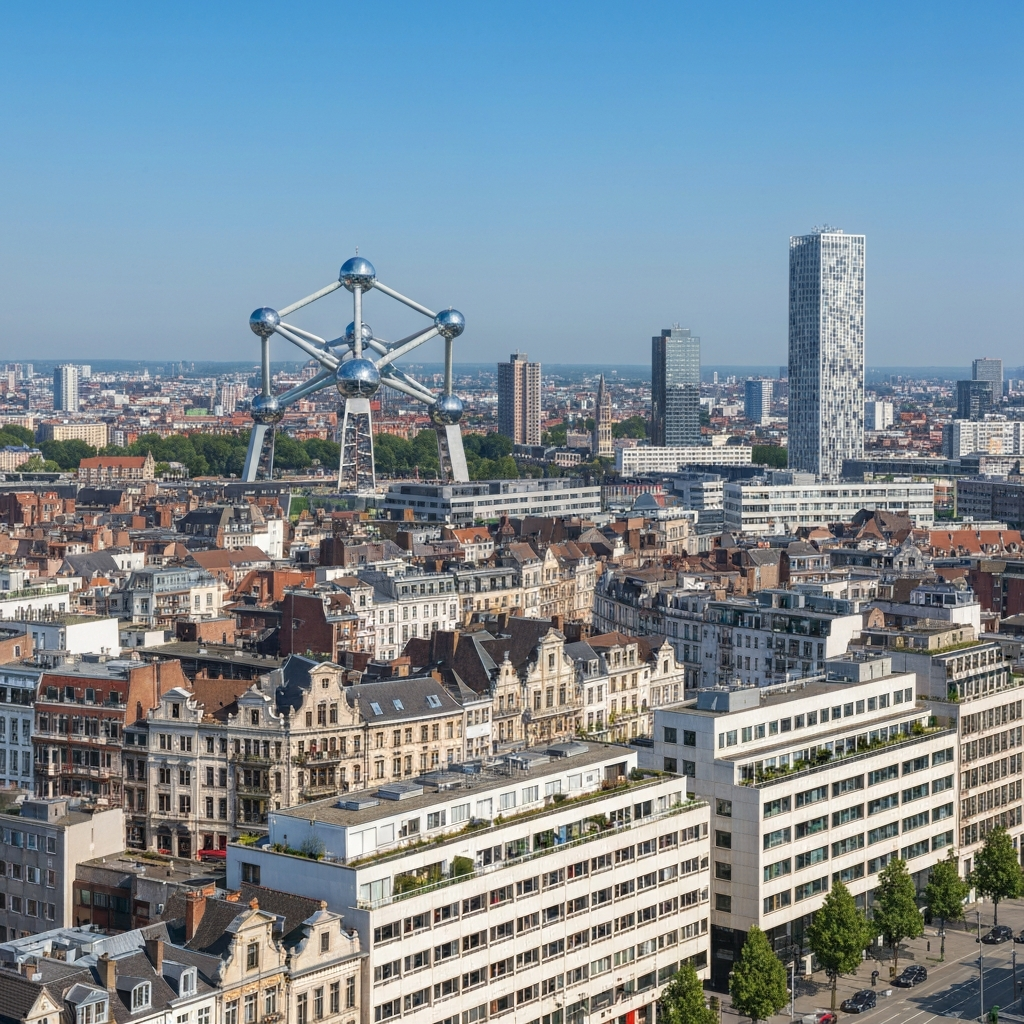
Brussels’ real estate market is undergoing significant transformations, marked by escalating rental prices, a dwindling supply of affordable housing, and the introduction of new regulatory measures. Understanding these dynamics is crucial for both prospective tenants and property investors.
Rising Rental Prices and Supply Constraints
Recent data indicates a notable increase in rental prices across Brussels. In 2025, the average rent for apartments reached €1,321 per month, reflecting a 5% rise from the previous year. This upward trend is attributed to a combination of high demand and a shrinking supply of rental properties. Notably, all 19 municipalities in Brussels now report average rents exceeding €1,000 per month, underscoring the widespread nature of this issue.
The supply shortage is further evidenced by a decline in new rental contracts. In 2025, fewer than 50,000 new rental agreements were registered in Flanders, marking a historic low. This contraction in available properties exacerbates the pressure on the rental market, making it increasingly challenging for residents to find affordable housing options.
Impact of Regulatory Measures
To address affordability concerns, the Brussels-Capital Region implemented stricter rent control measures on May 1, 2025. Under these regulations, any rent exceeding the calculated reference rent by more than 20% is presumed abusive, placing the burden of proof on landlords to justify higher rates. However, the reference rent grid, based on data from 2017 to 2020, has not been updated, leading to a situation where over 50% of new rental agreements are classified as legally abusive. This has sparked legal challenges from industry associations, who argue that the outdated benchmarks distort the market and deter investment.
Home Buying Trends and Investment Considerations
For those considering purchasing property, Brussels remains relatively affordable compared to other European capitals. As of mid-2025, the median price per square meter for apartments is approximately €3,400, with prices in premium districts like Ixelles or Uccle exceeding €4,000. Despite these figures, the market presents opportunities for investors, particularly in neighborhoods undergoing gentrification, such as Schaerbeek, where gross rental yields range from 4.0% to 5.2%.
However, potential buyers should be aware of high transaction costs, which can range from 12% to 15% of the purchase price, and mortgage rates between 3.2% and 3.6%. These factors can pose additional barriers, especially for first-time buyers.
Conclusion
Brussels’ real estate market is characterized by rising rental prices, a constrained supply of affordable housing, and evolving regulatory frameworks. Prospective tenants and investors must navigate these complexities carefully, staying informed about market trends and policy developments to make well-informed decisions.