

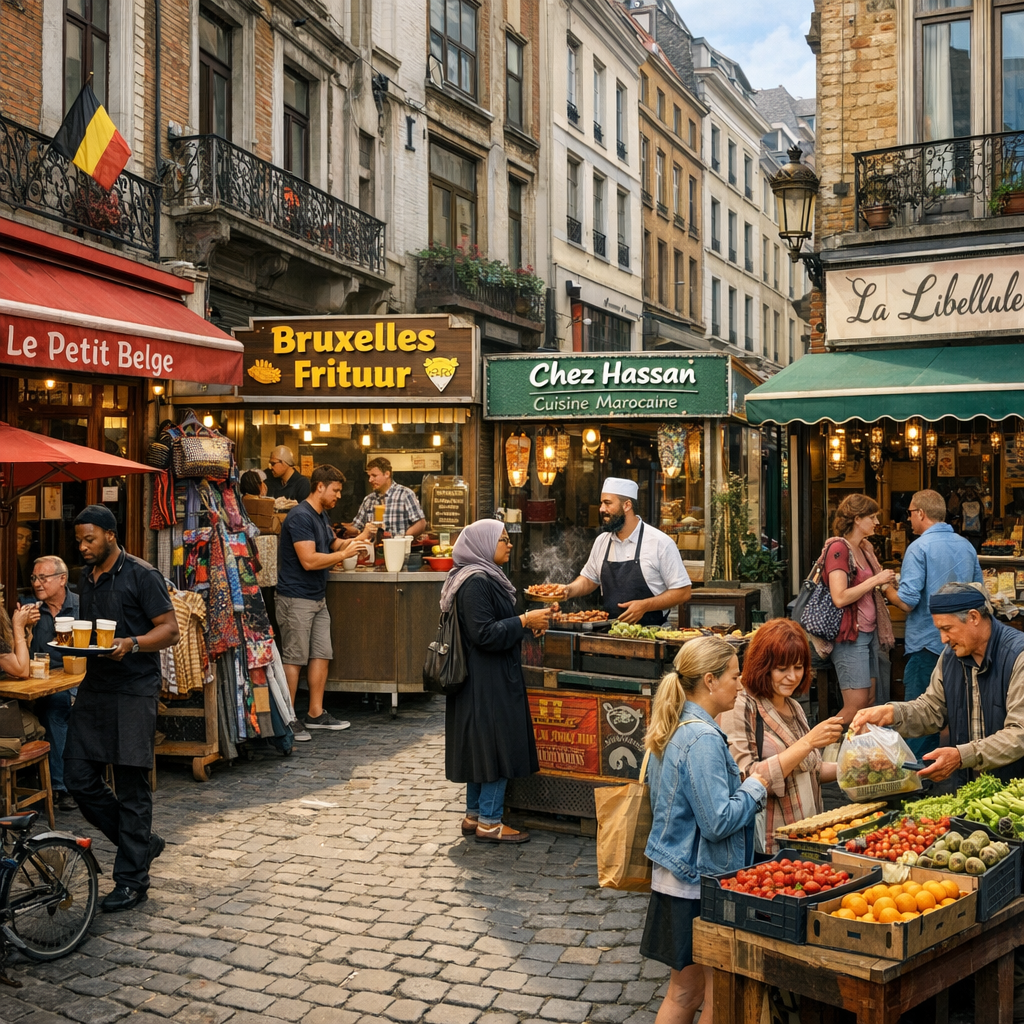
Brussels’ business environment is experiencing significant shifts, marked by both growth and challenges across various sectors.
Growth in New Enterprises
Between 2015 and 2024, the number of VAT-registered businesses in the Brussels-Capital Region increased by 26%, reaching 122,725 in 2024. This growth was primarily driven by start-ups, particularly in information technology, transport, and business services. Notably, 82% of these businesses were classified as ‘entrepreneurs,’ including self-employed workers and companies without employees.
Challenges in Key Sectors
Despite overall growth, certain sectors face significant challenges. In 2025, 2,208 businesses were declared bankrupt in Brussels, a 13.2% increase from the previous year. The construction sector was notably affected, with 405 bankruptcies in 2024. The hospitality industry also faced difficulties, representing 17% of bankruptcies despite comprising only 6% of SMEs. Additionally, the commercial vacancy rate stood at 13.5%, with the city center (Pentagon area) experiencing an 18.3% vacancy rate.
Support Mechanisms
To address these challenges, the Brussels government has implemented support mechanisms. The ‘Shifting Economy’ strategy aligns economic objectives with climate and social goals, aiming for a greener and more equitable economy. Hub.brussels, the Brussels Agency for Entrepreneurship, has been reoriented to guide businesses through this economic transition, offering resources and support to entrepreneurs.
Conclusion
Brussels’ business landscape is characterized by dynamic growth and sector-specific challenges. While new enterprises continue to emerge, sectors like construction and hospitality require targeted support to navigate economic uncertainties. The city’s strategic initiatives aim to foster a resilient and sustainable business environment for all.