

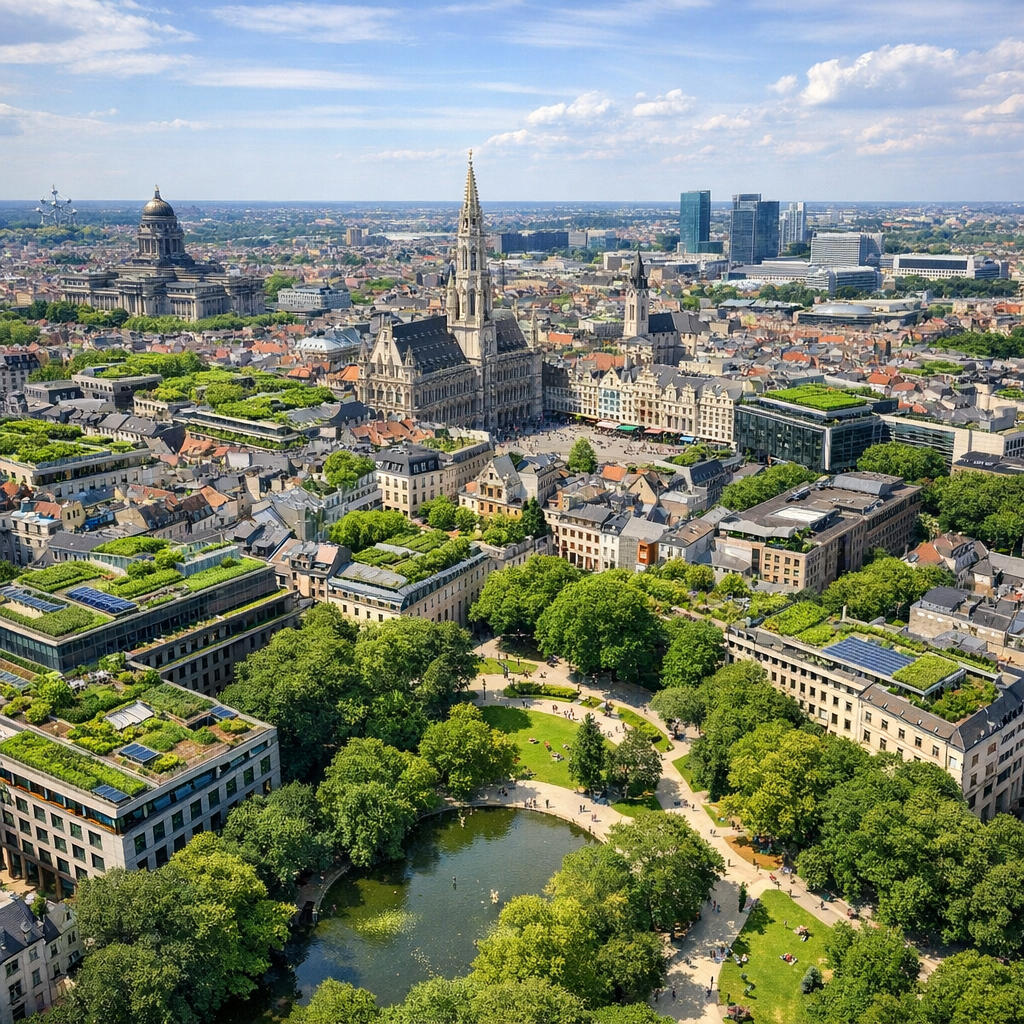
As Brussels continues to grow and urbanize, residents may notice that the city feels warmer than its surrounding rural areas. This phenomenon, known as the urban heat island (UHI) effect, results in higher temperatures in urban settings compared to their rural counterparts.
What Causes the Urban Heat Island Effect?
The UHI effect arises from several factors:
- Material Composition: Urban materials like concrete and asphalt absorb and retain heat during the day, releasing it slowly at night, leading to sustained higher temperatures.
- Urban Geometry: Narrow streets and closely packed buildings can trap heat and reduce air circulation, exacerbating the warming effect.
- Lack of Vegetation: Limited green spaces mean fewer plants to provide shade and cool the air through evapotranspiration.
- Human Activities: Heat generated from vehicles, industrial processes, and air conditioning units contributes to the overall temperature increase.
Impacts on Brussels
Studies have shown that temperatures in central Brussels can be up to 3°C higher than in surrounding rural areas during summer months. This temperature disparity is particularly pronounced at night, leading to discomfort and potential health risks for residents. Vulnerable populations, such as the elderly and those with pre-existing health conditions, are especially at risk during heatwaves.
Mitigation Strategies
To combat the UHI effect, Brussels has implemented several initiatives:
- Urban Cooling Islands: The city is developing green spaces that incorporate vegetation and water features to provide cooler areas within the urban environment.
- Greening Initiatives: Efforts are underway to increase tree planting and create green roofs and walls, enhancing the city’s green infrastructure.
- Use of Reflective Materials: Incorporating materials that reflect rather than absorb heat in urban design can help reduce surface temperatures.
- Improved Urban Planning: Designing buildings and streets to enhance air circulation and reduce heat accumulation is a key focus.
These measures not only aim to reduce temperatures but also improve air quality, enhance biodiversity, and increase the overall resilience of Brussels to climate change.
Community Involvement
Residents can contribute to mitigating the UHI effect by:
- Planting trees and maintaining gardens to increase green cover.
- Using energy-efficient appliances to reduce waste heat.
- Supporting local policies and initiatives aimed at urban greening and sustainable development.
By understanding the urban heat island effect and actively participating in mitigation efforts, we can work together to create a cooler, more sustainable Brussels for everyone.