

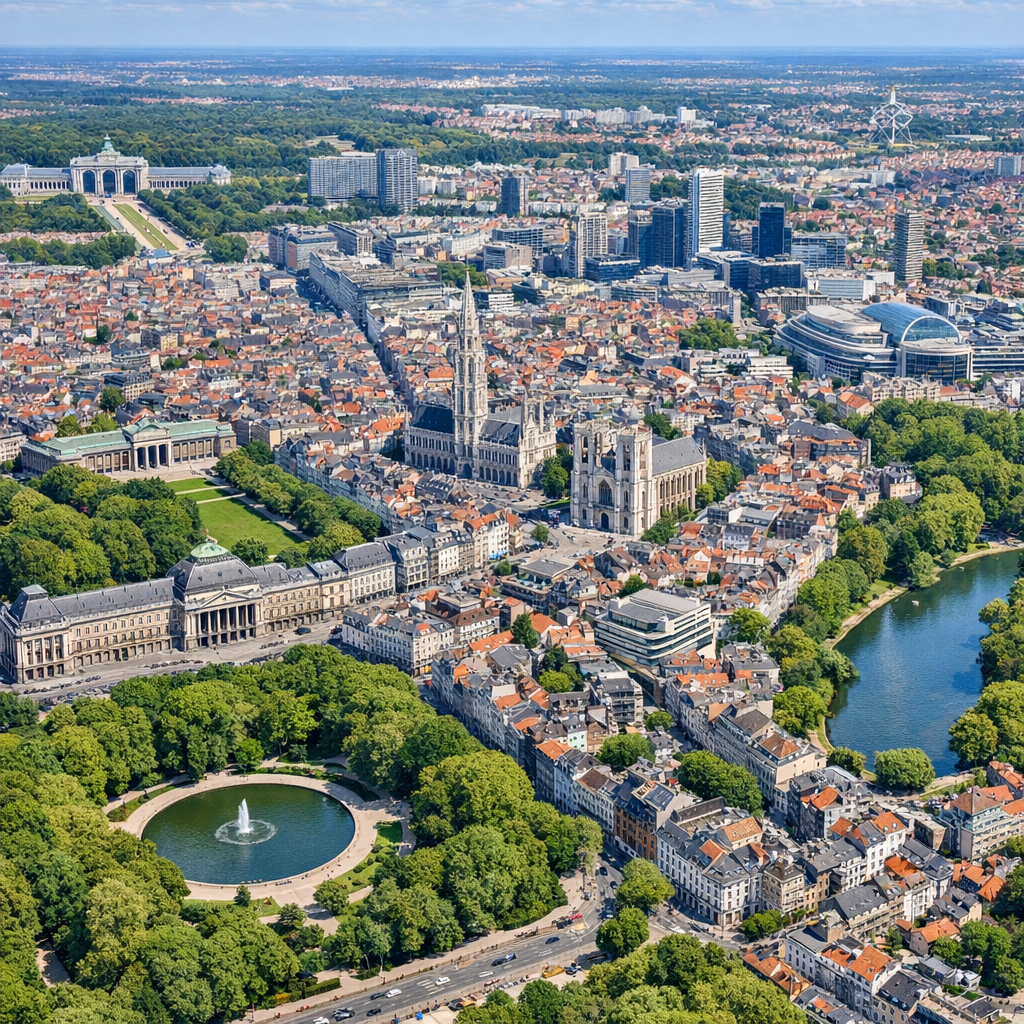
As global temperatures rise, urban areas like Brussels are experiencing intensified heat due to the urban heat island (UHI) effect. This phenomenon results in cities being significantly warmer than their rural surroundings, primarily due to human activities and urban infrastructure.
Understanding the Urban Heat Island Effect
The UHI effect occurs when urban materials such as concrete and asphalt absorb and retain heat, leading to higher temperatures in city centers compared to outlying areas. In Brussels, studies have shown that temperatures can be up to 10°C higher in certain neighborhoods, especially during summer months. Factors contributing to this include a high proportion of hard surfaces, narrow streets limiting air circulation, lack of vegetation, and heat generated by vehicles and industrial activities.
Impacts on Health and Environment
The elevated temperatures associated with the UHI effect pose several challenges:
- Health Risks: Increased temperatures can lead to heat-related illnesses, particularly affecting vulnerable populations such as the elderly and children.
- Energy Consumption: Higher temperatures result in increased use of air conditioning, leading to higher energy consumption and associated costs.
- Environmental Degradation: Elevated temperatures can exacerbate air pollution levels and negatively impact local ecosystems.
Mitigation Strategies in Brussels
To combat the UHI effect, Brussels has implemented several initiatives:
- Urban Cooling Islands: The city is developing green spaces and water features to create cooling areas within urban settings. These include planting more trees, creating ponds, and designing spaces that promote air circulation.
- Greening Initiatives: Efforts are underway to increase vegetation cover by transforming rooftops and facades into green spaces, and by reopening previously covered streams and brooks to enhance natural cooling.
- Material Innovation: Utilizing materials that reflect rather than absorb heat in urban construction helps reduce heat accumulation.
These measures not only aim to lower urban temperatures but also enhance the quality of life, promote biodiversity, and increase the city’s resilience to climate change.
Community Involvement
Residents can contribute to mitigating the UHI effect by:
- Participating in local greening projects.
- Reducing energy consumption during peak heat periods.
- Advocating for sustainable urban planning in their communities.
By understanding the urban heat island effect and actively participating in mitigation efforts, Brussels can work towards a cooler, more sustainable urban environment.