

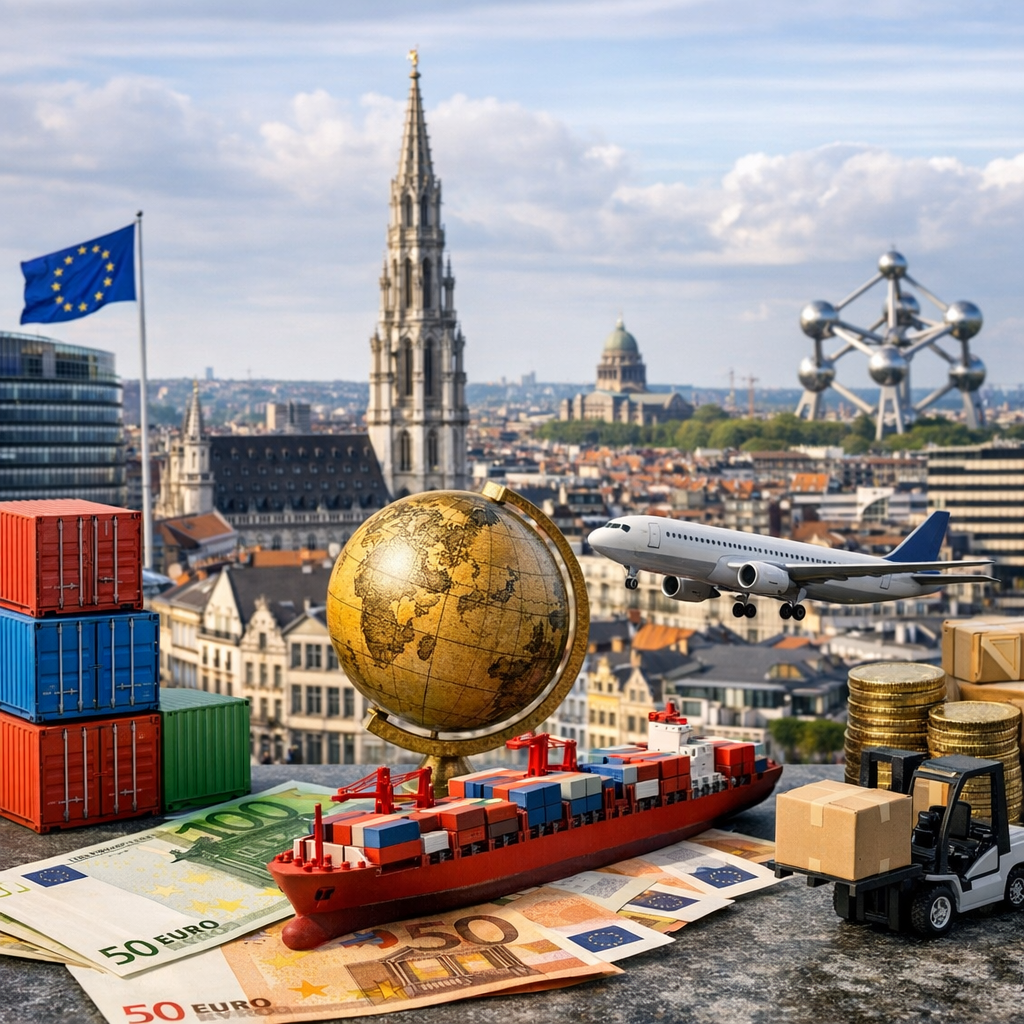
As Brussels residents, we are not isolated from the broader currents of the global economy. Recent developments, particularly the conflict in the Middle East, have introduced new challenges that resonate within our city.
Global Economic Outlook
The International Monetary Fund (IMF) has adjusted its global growth forecast to 3.1% for 2026, down from 3.4% in 2025, largely due to the ongoing conflict in the Middle East and its impact on oil markets. This situation has led to increased inflationary pressures worldwide. The IMF’s projections assume a relatively brief conflict and stabilized oil prices, but the situation remains fluid. [Source: IMF World Economic Outlook, April 2026]
Impact on Brussels
Brussels, as the heart of the European Union, is particularly sensitive to these global shifts. The European economy is projected to grow at a modest 0.8% in 2026, reflecting the broader impact of rising energy prices and geopolitical uncertainties. [Source: OECD Economic Outlook, March 2026]
For our local economy, this translates to potential challenges in sectors reliant on energy and international trade. Businesses may face higher operational costs, and consumers could experience increased prices for goods and services.
Looking Ahead
While these global developments present challenges, they also offer opportunities for Brussels to strengthen its economic resilience. Diversifying energy sources, investing in sustainable technologies, and fostering innovation can position our city to navigate these uncertainties effectively.
Staying informed and proactive will be key for Brussels residents and businesses as we adapt to the evolving global economic landscape.